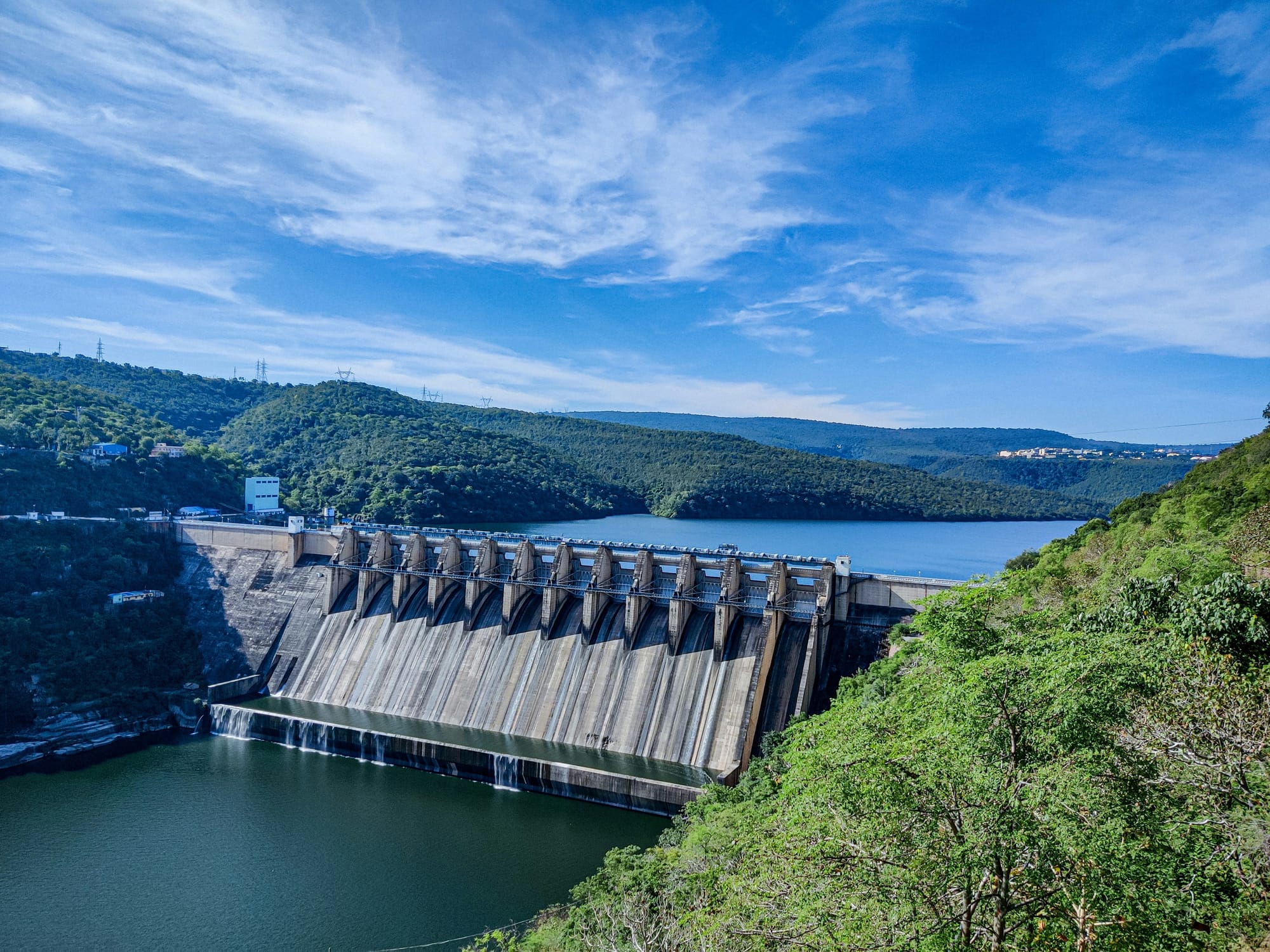
When the dams are full, the discussion about scarcity seems distant. It is precisely at this point that you must decide how to act when the water runs out. The most difficult rules to apply cannot be invented at the moment of greatest pressure; they need to be built in advance, data and transparency.
Is agriculture just another user?
The answer is neither completely white nor completely black. Agriculture cannot claim automatic priority, but neither can it be treated as an ordinary consumer. It produces food, jobs and exports and maintains value chains that cannot be reconstructed from one year to the next. A water cut can destroy years of investment and productive capital.
This makes the sector strategic, but does not eliminate the responsibility of using the resource efficiently. Priority must be accompanied by criteria. Those who reduce losses, protect the soil, adopt technology and produce more value per unit of water demonstrate a different capacity to respond to the collective interest.
Decide before the crisis
Drought should not be the first time for serious measurement. Contingency plans, clear rules, consumption monitoring and known scenarios allow difficult choices to be made in advance. They also help prevent each constraint from being negotiated as a contextless exception.
Without data, management becomes opinion. Without rules, scarcity turns into conflict. It is necessary to know availability, consumption, losses, crop needs and the impact of different decisions. The information alone does not resolve the dispute, but it improves the quality of the conversation.
Efficiency as legitimacy
The legitimacy to claim access should not depend solely on habit or the historical volume used. It must consider the value created, the efficiency achieved and the effort made to reduce pressure on the resource. This creates an incentive to invest before the crisis and rewards behaviors that increase the resilience of the system.
The country does not need a winner in the water dispute. It needs a system that reduces conflicts and protects essential production. Deciding well is a new form of productivity: it means creating more value with rules that can be understood, measured and applied.
